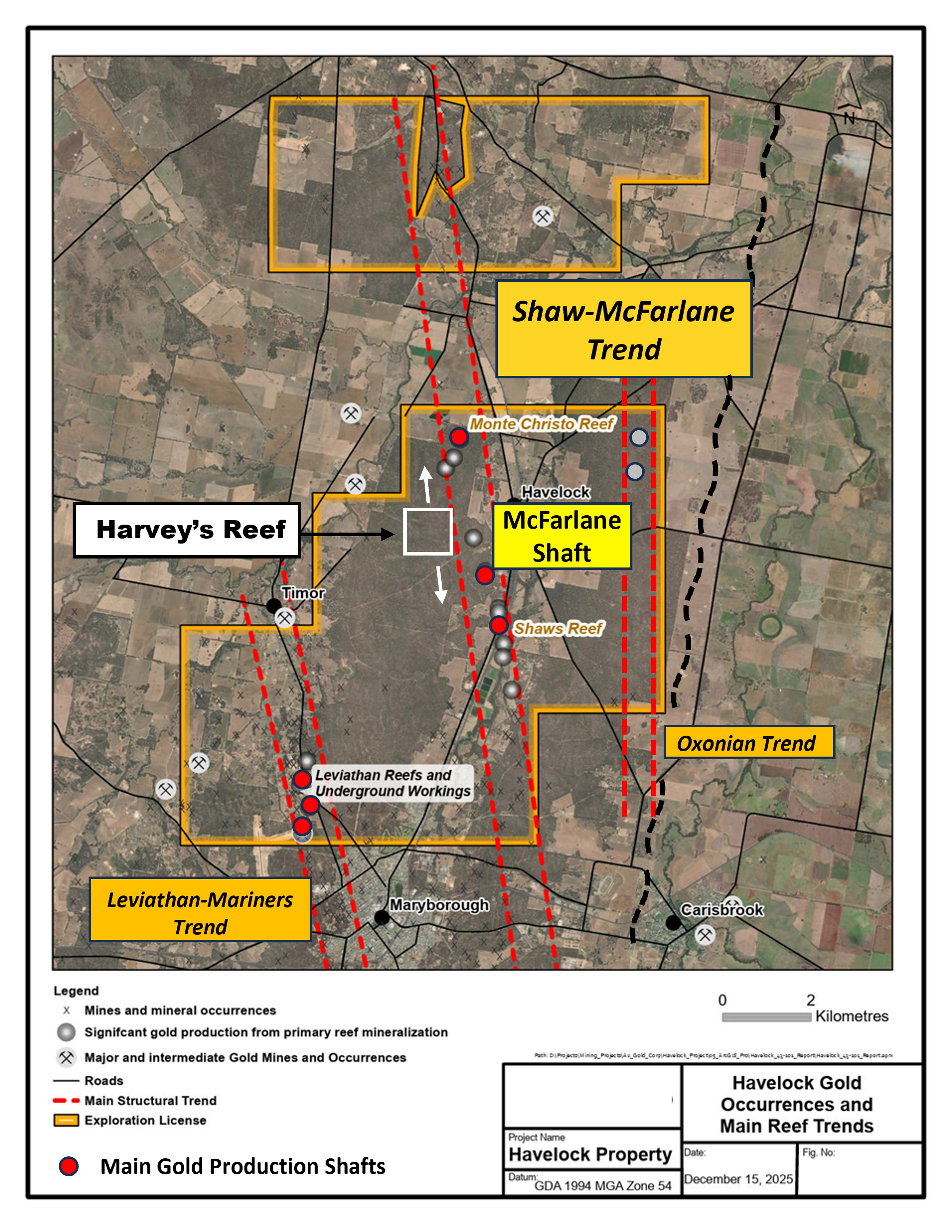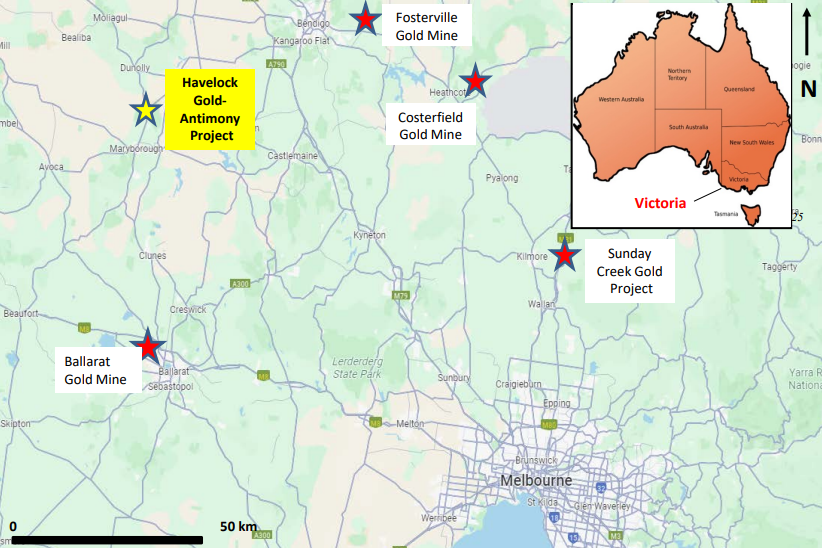
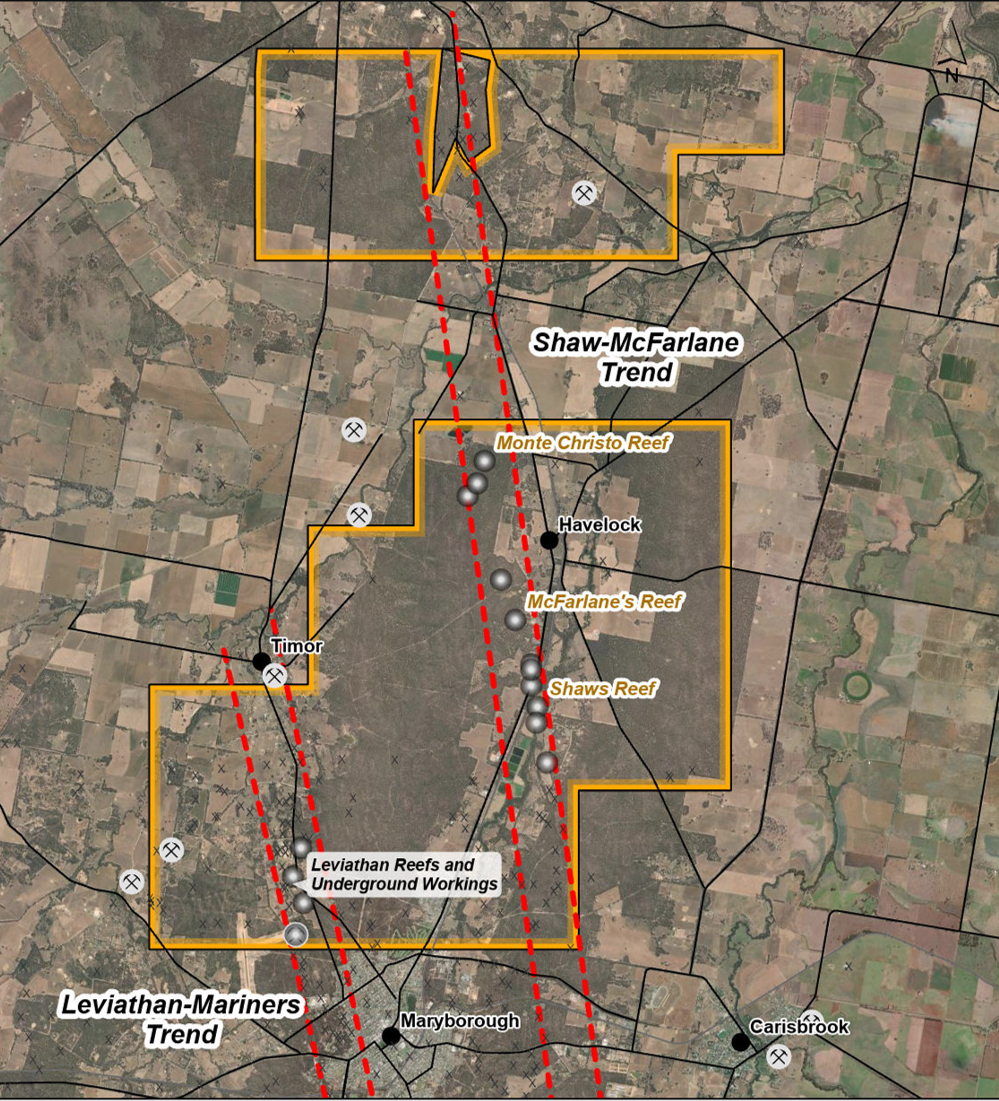
The Havelock Gold-Antimony Project includes two large scale (> 10 kilometre combined) structural gold-bearing trends with minimal exploration with multiple undrilled targets:
Shaw-McFarlane trend: minimal exploration with numerous undrilled targets<
Targets include the McFarlane Shaft and McFarlane Dam, both situated in the central portion of the 9 km Shaw-McFarlane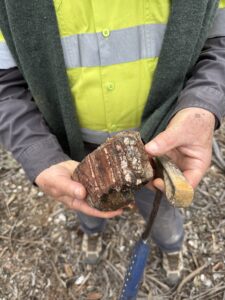 Trend and are 150 meters apart
McFarlane Shaft: gold/antimony quartz reef mineralization with historical high-grade production
- Never drilled tested
- Mined to 400 feet depth (122 m)
- Historic production grades 1 – 10 ounces gold per ton (avg. 22.5 g/t)
- Mining stopped due to dewatering issues and separating gold from stibnite
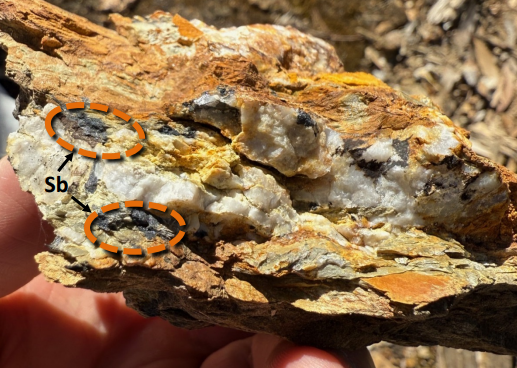
- 6 tons of stibnite (antimony sulphide) recovered from the dumps
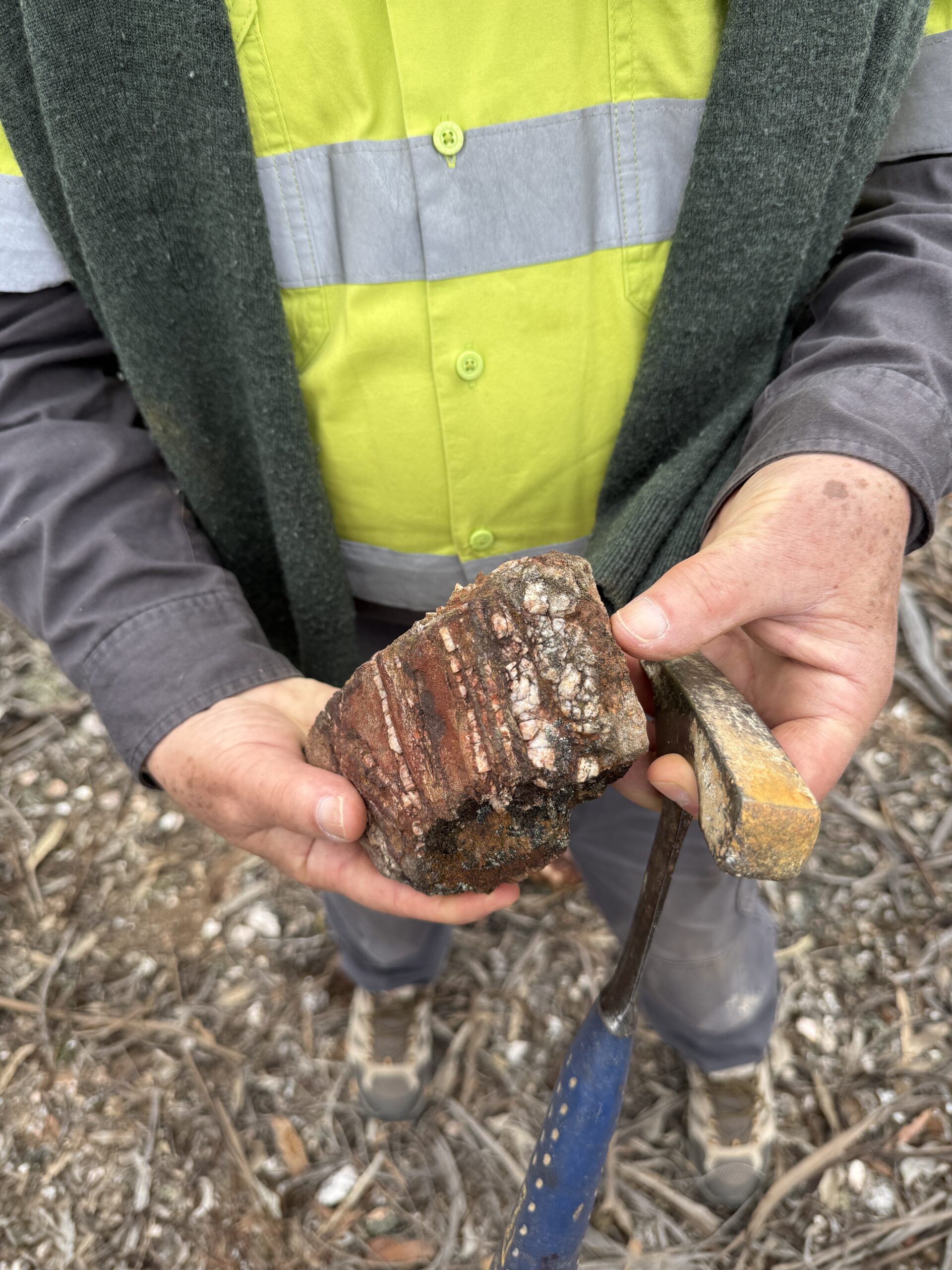
McFarlane Dam: coarse gold recovered near surface (2010)
- Never drill tested
- Excavated in 2010
- 514 ounces of gold recovered, including 23 kg of reef quartz
- Potentially represents the top of an insitu high – grade gold – bearing quartz reef
The reader is cautioned that the sample selection process described above is designed to identify high-grade samples which may not be representative. The disclosure is included because these samples will be used as a vector to guide future exploration activities specifically at the dam target.
Leviathan-Mariner’s Trend: most historical work and recent drilling completed
Covers 3 km of historic workings. In 2021, the previous operator completed an 8-hole diamond drill program along a 270 m portion of the trend. The drill program returned significant results from 4 of the 8 drillholes, justifying further work.
Table 1 Leviathan 2021 Drill Highlights
| Drill Hole | From (m) | To (m) | Interval (m) | Gold (g/t) |
| 21LEV002 | 232.05 | 239.15 | 7.10 | 3.06 |
| and | 242.40 | 243.51 | 1.11 | 56.40 |
| 21LEV004 | 241.00 | 245.20 | 4.20 | 4.75 |
| 21LEV005 | 335.13 | 337.90 | 2.77 | 18.86 |
| 21LEV006 | 224.50 | 227.74 | 3.24 | 6.91 |
Historic underground mining reached a maximum depth of 500 feet (152 m) on the SMT and 900 feet (274 m) on the LMT, limited by mining techniques and the presence of ground water. Mesozonal and epizonal gold systems are known to have depth extents of more than 1,000 m at other locations in Victoria, highlighting the potential below these historic workings.